
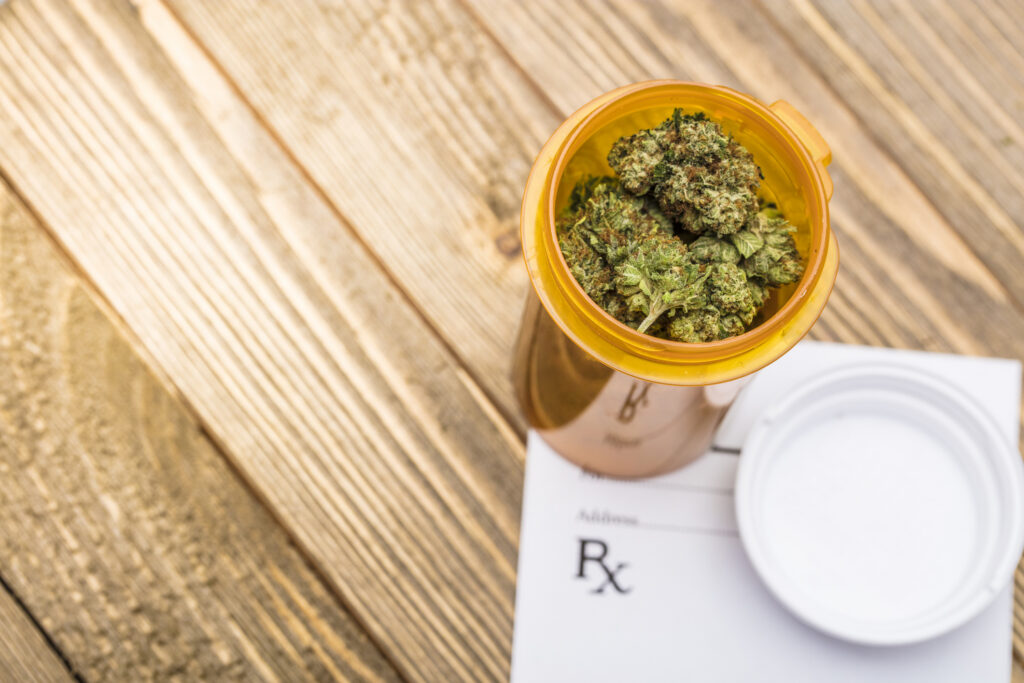
Reefer Madness: Still in the Weeds with Medical Marijuana and Workers’ Compensation
The alarm bell sounded by the 1930s film Reefer Madness has changed its tune in an America of de facto cannabis legalization based on overwhelming public support. Yet, organizations need answers to the questions that remain: Is cannabis an effective treatment for chronic pain due to workplace injury? If not, what can be done to stop it? How are state laws addressing the issue of payment for cannabis treatment? What happens if the drug is moved from Schedule 1 to Schedule 3 by the federal government? What legal protection do employers have if an employee holds a medical marijuana card?
In this session, panelists navigate the complex issues surrounding medical marijuana that will continue to arise for both employers and workers’ compensation carriers.
- Kirsten Cash – Senior Manager, Workers’ Compensation & General Liability at The Children’s Hospital of Philadelphia
- Frank Wickersham, Esq. – Attorney, Marshall Dennehey
American History of Marijuana Regulation
The Marijuana Taxation Act introduced early regulation of individuals producing and selling cannabis. The Controlled Substances Act (CSA) took effect in 1970, classifying marijuana as a Schedule 1 substance. California became the first state to legalize medical marijuana, followed by a growing number of states across political lines.
Legalization has been partly driven by concerns over opioid addiction, with medical marijuana positioned as a lower-risk alternative for treating chronic pain. The industry has grown into a $46 billion market in the United States, which may also influence state-level legalization. Public support for both medical and recreational cannabis continues to be strong.
Use in Chronic Pain Treatment
Medical marijuana is increasingly used to treat severe chronic pain, including cases involving:
- Low back pain
- Failed back surgery
- Ineffective spinal cord stimulators
As its use becomes more common, injured workers have begun questioning why they must pay out of pocket and are seeking reimbursement through workers’ compensation.
De Facto Legalization
Although marijuana remains illegal at the federal level, enforcement has been limited, creating a form of de facto legalization:
- Medical marijuana is legal in 40 states
- An additional 10 states allow limited cannabidiol (CBD) products with low tetrahydrocannabinol (THC) levels
- Recreational use is legal in 24 states
Initially, employers and carriers resisted reimbursement due to federal illegality. However, as more states legalized cannabis, medical reimbursement has become more accepted. Enforcement has shifted, with minor possession more likely to result in fines or citations rather than arrest.
Schedule 1 vs. 3
Under federal law:
- Schedule 1: Marijuana is classified as having no accepted medical use and a high potential for abuse, alongside substances such as heroin and LSD.
- Schedule 3: Recognizes accepted medical use and moderate potential for dependence, requiring a physician’s prescription.
What does this mean for the workers’ compensation industry? Long-term, state courts may require more insurers to provide reimbursement. State laws could change on payment and insurance coverage, with courts viewing it as a reasonable and necessary form of medical treatment.
Impact of Rescheduling
The potential effects of reclassifying medical marijuana include:
- More testing and research
- Increased regulation to obtain Food & Drug Administration (FDA) approval
- Entry of pharmaceutical companies
- Changes in state medical marijuana laws
- Evolving payment systems for dispensaries, many of which currently operate on a cash basis
Rescheduling may strengthen the cannabis industry through tax advantages, while also raising questions about pricing and market competition if pharmaceutical companies enter the space.
State Comparisons
Pennsylvania’s Medical Marijuana Act included language stating that nothing in the law mandates, permits, or prohibits reimbursement. However, in Fiedler v. Firestone (2023), the court held that reimbursement is distinct from coverage and that injured workers may be reimbursed if treatment is deemed reasonable and necessary.
Most reimbursement requirements have developed through case law rather than statute. Some states, such as Florida, currently prohibit reimbursement, though this may change with future regulatory developments or FDA approval.
Benefits and Risks of Cannabis
Cannabis is used to treat chronic pain and PTSD, often with positive but subjective outcomes. However, risks include:
- Higher THC concentrations leading to increased potential for addiction
- Cardiovascular events such as heart attacks
- Cannabinoid hyperemesis syndrome, sometimes referred to as “scromiting”
- Cannabis use disorder
Impact of Recreational Marijuana Laws on Workers’ Compensation
The expansion of recreational marijuana laws has several implications:
- Potential increases in claim frequency
- Decreases in opioid prescriptions
- Lower medical payments per claim
- Variable impacts on disability duration
- Shifting costs depending on the industry
Looking ahead, more states are likely to mandate reimbursement, and cannabis is becoming a mainstream tool for pain management. As a result, HR policies will require ongoing updates to address this evolving landscape.

Safety National is a proud sponsor of Kids' Chance of America, a charity that provides need-based educational opportunities and scholarships for the children of workers seriously injured or killed on the job.
Search By Month
Recent Posts
- Learning From Other States to Find Solutions for Claims Cost Containment, AI Adaptation, and More
- Reefer Madness: Still in the Weeds with Medical Marijuana and Workers’ Compensation
- Reshaping the Energy Insurance Market
- There Is No Spoon: How Website Tracking Technologies Spark Litigation
- Managing AI Risks When Onboarding Vendors